🌾 Crops Information
Explore Our Crop Database
Learn about various crops, their cultivation methods, climate requirements, soil conditions, and best farming practices. Click on any crop below to get detailed information.
Major Crops
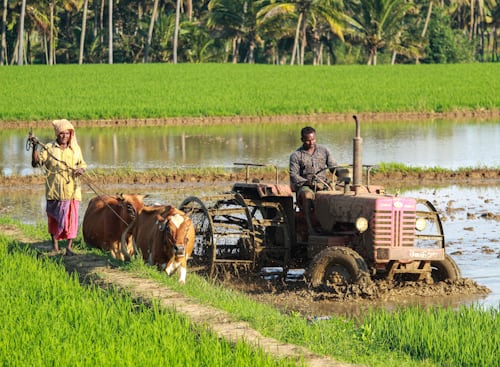
🌾 Rice
Season: Monsoon (June-October)
Climate: Warm, humid tropical climate
Soil Type: Clay or loamy soil
Rice is the staple food crop for millions worldwide. It requires adequate water, warm temperatures, and proper soil management.
View Full Details
🌽 Corn (Maize)
Season: Kharif & Rabi
Climate: Moderate to warm
Soil Type: Well-drained loamy soil
Corn is a versatile crop used for food, feed, and industrial purposes. It's more drought-tolerant than rice and offers good profit margins.
View Full Details
🌾 Wheat
Season: Rabi (October-March)
Climate: Cool-season crop
Soil Type: Loamy or clay loam
Wheat is an important cereal crop providing essential nutrition. It's suited for winter cultivation in temperate regions.
View Full Details
🌱 Cotton
Season: Kharif (May-December)
Climate: Hot and dry climate
Soil Type: Well-drained black soil
Cotton is a major cash crop for the textile industry. It requires careful pest management and adequate irrigation.
View Full Details
🍬 Sugarcane
Season: November-March planting
Climate: Hot and humid
Soil Type: Rich loamy soil
Sugarcane is an important industrial crop for sugar and molasses production. It requires substantial water and fertilizers.
View Full Details
🥕 Vegetables
Season: Year-round (seasonal variations)
Climate: Varies by crop
Soil Type: Well-drained, fertile soil
Vegetable crops offer high profitability and nutritional value. Perfect for small-scale and commercial farming.
View Full DetailsCrop Selection Guide
How to Choose the Right Crop
Selecting the right crop depends on several factors:
- Climate: Match crops to your region's temperature, rainfall, and seasonal patterns
- Soil Type: Test your soil and choose crops suitable for your soil composition and pH
- Water Availability: Consider irrigation facilities and water sources available
- Market Demand: Choose crops with good market demand and fair prices
- Profitability: Calculate input costs and expected returns
- Farming Experience: Start with crops suited to your experience level
- Labor Availability: Consider labor requirements for cultivation and harvest
Crop Rotation Benefits
Practicing crop rotation offers several benefits:
- Improves soil fertility and structure
- Reduces pest and disease buildup
- Decreases reliance on chemical pesticides
- Optimizes nutrient use
- Improves long-term soil health
- Increases overall farm profitability
Seasonal Farming Calendar
| Season | Months | Recommended Crops | Key Activities |
|---|---|---|---|
| Kharif (Monsoon) | June - October | Rice, Corn, Cotton, Sugarcane | Plowing, Sowing, Irrigation, Weeding |
| Rabi (Winter) | October - March | Wheat, Gram, Mustard, Peas | Sowing, Harvesting, Threshing |
| Zaid (Summer) | March - May | Vegetables, Melons, Squash | Irrigation, Pest Management |